 Northstride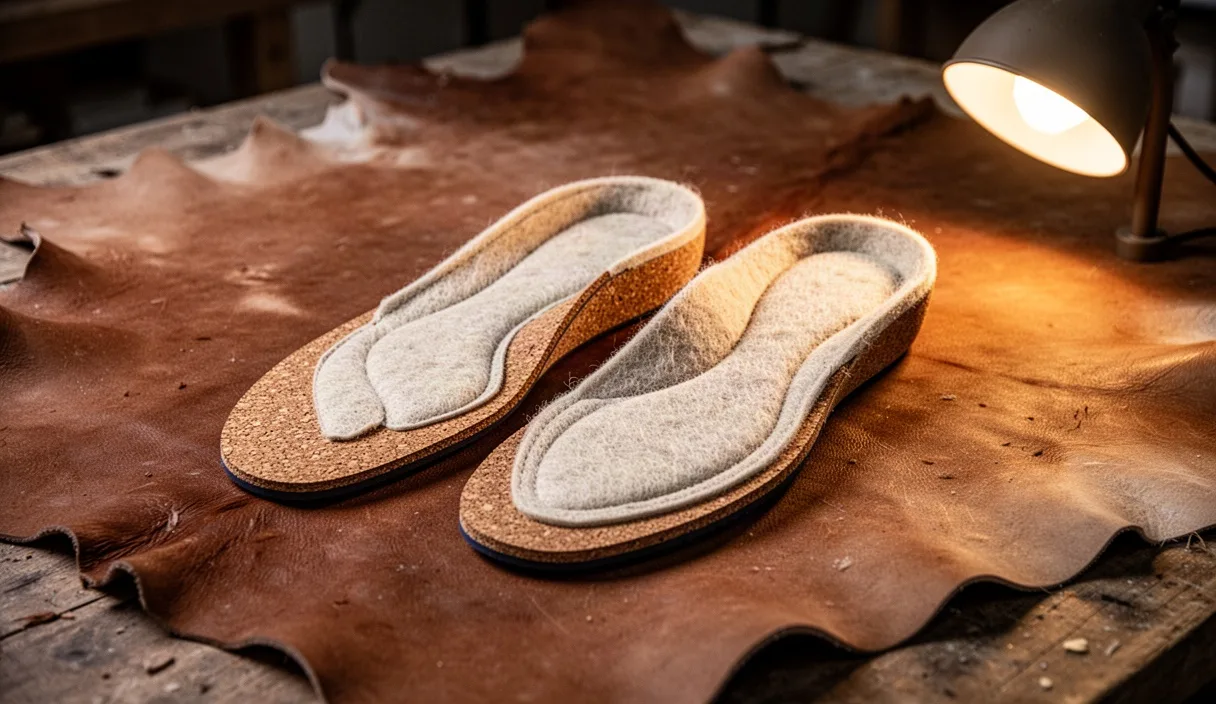

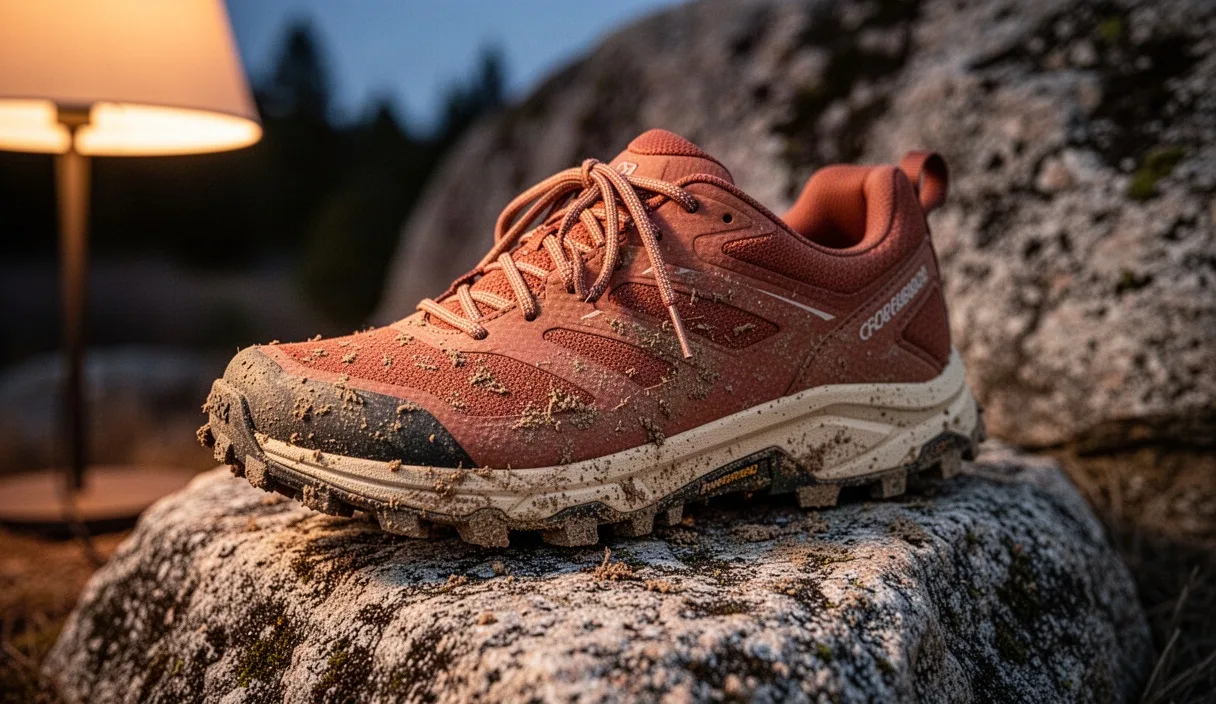
When we log twenty to forty kilometers a week with poles in hand, our footwear undergoes a mechanical cycle distinct from running or upright tramping. Nordic walking locks the foot into a deliberate, rolling gait: an exaggerated heel strike, a smooth transition through the midfoot, and an active, driving roll through the hallux powered by upper-body propulsion. Most factory shoes arrive with flat, five-gram open-cell foam liners designed more for showroom softness than repetitive horizontal loading. Within three weeks of sustained mileage, those stock foam sheets crush down into paper-thin layers of packed plastic, offering neither support nor thermal protection from the terrain below.
Finding the right footbed is not about seeking theoretical perfection or thick cushioning that deadens ground feel. It is a bench craft problem of geometry, material density, and moisture regulation. We want an insole that stays firm under shear stress, matches the flex point of our trail shoes, and keeps our feet warm and dry when the ground pulls heat away through cold mud and gravel. By understanding how natural materials like cork and wool interact with the biomechanics of pole-assisted walking, we can choose and fit insoles that outlast several pairs of stock factory liners.
How Nordic gait creates unique insole friction
In standard road running, ground contact time sits between two hundred and three hundred milliseconds, and the primary force vector is vertical impact. In Nordic walking, ground contact time often exceeds five hundred milliseconds per stride. Because the pole push propels the body forward at an extended stride length, the heel contacts the dirt at a shallower angle. This geometry generates continuous shear friction: a lateral and longitudinal grinding motion between the sock, the top cloth of the insole, and the shoe floor.
As the body rolls forward over the planted foot, weight travels across the lateral border before cutting inward across the ball of the foot. The final thrust requires active flexion from the great toe. This prolonged terminal push exerts significant localized pressure against the forward third of the footbed. Soft polyurethane and low-density ethylene vinyl acetate (EVA) foams fail here rapidly. The continuous shear force causes the top fabric to bunch or delaminate from the substrate, creating abrasive ridges that wear holes in wool socks and cause hot spots along the ball of the foot.
Furthermore, because the poles absorb a portion of vertical shock, high-mileage Nordic walkers require stability and torsional resistance rather than thick squish. An overly squishy insole delays ground feedback, forcing the intrinsic muscles of the foot to work harder to stabilize each push. We need an insole foundation that resists horizontal shear while allowing the forefoot to hinge cleanly along the shoe flex grooves.
The durability and feel of molded cork footbeds
Molded cork footbeds, whether cut from composite cork granules or shaped through heat molding, offer one of the best structural platforms for distance walking. Cork bark harvested from the cork oak (Quercus suber) consists of a closed cellular structure filled with air-like gas pockets. When combined with natural latex or high-grade polyurethane binders, the material delivers a density between 0.28 and 0.38 grams per cubic centimeter. It is semi-rigid: firm enough to support the longitudinal arch under load, yet supple enough to flex with the rock plate of a trail shoe.
Unlike memory foams that crush down and stay dead, cork compresses elastically and takes a personalized imprint over time. After roughly sixty to ninety kilometers of walking, the combination of body warmth, moisture, and pressure causes the cork matrix to settle under the unique topography of your calcaneus and metatarsal heads. The footbed becomes a custom topography without losing its underlying structural arch.
| Footbed Material | Density Profile | Break-in Period | Typical Lifespan |
|---|---|---|---|
| Factory Open-Cell EVA | 0.12 to 0.16 g/cm³ | Zero (compresses immediately) | 150 to 250 km |
| Thermoformed Cork Composite | 0.28 to 0.38 g/cm³ | 60 to 90 km | 800 to 1,200 km |
| Pressed Needle Wool Felt | 0.30 to 0.45 g/cm³ | 20 to 40 km | 600 to 900 km |
| Molded TPU Plastic Cradle | 1.10 to 1.25 g/cm³ | Immediate to rigid | 1,500+ km |
When selecting cork insoles, inspect the underside construction. High-mileage walking requires a cork core reinforced with a thin backing layer, often woven jute or cambrelle cloth, which prevents the cork from cracking along the transverse flex line under the ball of the foot. The heel cup should be deep enough to corral the natural fat pad of your heel, concentrating your own tissue directly beneath the heel bone rather than letting it spread outward against the shoe counter.
Wool felt inserts for wet and cold ground insulation
When training through wet seasons and winter hardpack, ground chill conducts directly through the shoe outsole and midsole foam. Cold rubber draws warmth out of the soles of the feet within forty minutes of continuous contact with frozen gravel. Wool felt offers an exceptional natural remedy, acting as a thermal barrier that continues to manage vapor long after synthetic covers become slick.
We look for needle-punched or pressed wool felt manufactured from dense sheep fleece, sheared to a thickness of four to six millimeters, with a weight around eight hundred grams per square meter. The coiled structure of wool fiber traps air within its microscopic scales, creating an insulation barrier against conductive heat loss. At the same time, wool can absorb over thirty percent of its dry weight in moisture vapor before feeling damp to the touch. In contrast to synthetic foam liners that trap sweat against the sock, wool pulls sweat away from the skin, holding it within the inner fiber core while remaining dry on the surface.
- Thickness retention: Dense wool felt compresses under the heel during the stride but re-expands slightly between steps, resisting the hard compaction typical of synthetic fleeces.
- Friction management: The surface of unbleached wool felt creates a balanced interface with technical socks. It grips the yarn firmly enough to prevent internal foot slippage while eliminating the harsh abrasion that causes blisters.
- Thermal regulation: By blocking cold transfer from the midsole, wool felt keeps small blood vessels in the toes dilated, preventing the numbness that compromises push-off mechanics on cold gravel tracks.
Caring for wool felt inserts requires simple maintenance. Remove them from your trail shoes immediately after every outing. Set them on their edges in an airy room away from direct heating elements to allow the captured humidity to evaporate naturally. Never tumble dry them, as heat and high mechanical agitation will shrink the felt and distort the contour of the forefoot.
Diagnosing pressure points on the ball of the foot
Due to the forward drive of the Nordic stride, the ball of the foot bears the brunt of uneven pressure. Many walkers develop burning sensations under the second metatarsal head or sharp aches near the base of the small toes. Before swapping insoles, we inspect the wear pattern on the underside of the current liner to diagnose the fault line.
Pull your current footbed out of the shoe and place it under a bright workbench light. A healthy footprint shows an even, faint impression across the entire forefoot bed. If you see a dark, deeply depressed oval directly under the second or third metatarsal head while the big toe area looks untouched, your foot is likely collapsing inward or lacking adequate support along the transverse metatarsal arch. This localized compaction indicates that the metatarsal heads are dropping down and scraping against the hard midsole strobel board during terminal stance.
If burning pain is accompanied by tingling radiating into the third and fourth toes, an impinged digital nerve may be at play. When these symptoms persist or cause sharp, shooting pain, consult a podiatrist or certified pedorthist for a formal clinical evaluation. For general pressure dispersion, adding a small teardrop-shaped metatarsal pad made of firm latex or wool felt can bring relief. Position this pad directly behind the metatarsal heads, never directly under the painful bone itself. Placing the pad roughly four to six millimeters proximal to the ball of the foot lifts the bones slightly, restoring the natural crosswise arch and spreading the forward push across all five metatarsal heads.
Trimming and seating footbeds cleanly inside trail shoes
Even the finest cork or wool insole will cause blisters and foot cramps if it is trimmed poorly or buckles against the shoe lining. Aftermarket insoles are manufactured on broad sizing lasts to fit a wide range of shoe profiles, so proper trimming at the workbench is a vital preliminary task.
Extract and align the templates
Pull the factory liner from the target shoe. Inspect it for curl or folded edges. Place the factory liner directly on top of the new aftermarket insole, aligning them precisely at the back of the heel cup and along the medial inside edge. Do not align them by the toe; shoe lasts vary widely in toe-box taper, and the heel position governs where the arch contour will sit inside the shoe.
Scribe the cut line
Hold the two footbeds firmly together with one hand. Using a fine-tipped mechanical pencil or grease pen, trace the perimeter of the factory liner onto the bottom surface of the new insole. Working on the underside prevents visible marks on the top cloth and gives you a clearer view of the structural foam or cork layers.
Cut with a beveled angle
Use a sharp pair of heavy shop shears or a fresh utility knife blade over a cutting mat. Cut along the inside border of your marked line, taking off slightly less material than you think is necessary. Hold the cutting edge at an angle of roughly forty-five degrees, undercutting the bottom edge of the footbed. This beveling allows the top surface of the insole to contact the internal sidewalls of the shoe cleanly without the bottom rubber binding or curling upward.
Seat and verify the fit
Reach inside the shoe and sweep out any trail sand, grit, or manufacturing debris resting on the strobel stitching. Slide the trimmed insole into the shoe, pushing the heel down firmly into the heel counter. Run your fingers flat across the surface from heel to toe. Feel along the perimeter of the forefoot: there should be no upward curling, waves, or gaps along the shoe interior. If the insole buckles upward at the toe box, pull it back out and shave one millimeter off the front edge until it drops into place completely flat.
Common mistakes
The most frequent mistake we encounter is stacking a new aftermarket footbed directly on top of the original factory liner. This practice reduces internal shoe volume, pinches the instep against the tongue, and drives the toes into the roof of the toe box, leading to blackened toenails and restricted circulation within five kilometers. Always pull the factory liner out before installing a replacement.
Another pitfall is choosing ultra-stiff, full-length carbon composite plates designed for road running. Nordic walking relies on natural, continuous articulation through the forefoot joints. A rigid shank that will not bend under the metatarsals breaks the rhythm of the pole push and transfers excessive leverage into the Achilles tendon and calf muscles.
Finally, avoid cutting the insole down by eye without tracing the factory template. A footbed that is trimmed two millimeters too short will slide forward inside the shoe during descents, leaving a gap at the heel that pinches the skin of the heel pad. Conversely, an insole left too wide will curl up the side of the upper, forcing your foot into an unnatural tilt that strains the outer ankle over long distances.
Practical next steps
Begin by pulling the current insoles from your primary pair of Nordic walking shoes tonight. Lay them on a flat table and examine the wear pattern: look for crushed foam under the big toe, worn-through fabric at the heel, or signs of side-slipping. If the foam has compressed to the thickness of a postcard, plan a replacement before your next long weekend walk.
Match your replacement material to your typical walking terrain and seasonal conditions. If you walk on packed dirt and gravel in mild weather, a thermoformed cork footbed will provide the torsional stability and tailored arch support needed for extended pushes. If your routes take you across frozen ground, boggy grass, or cold paved roads, choose a dense four-millimeter wool felt insert to protect your feet against ground chill.
Once you have trimmed your new insoles using the beveled cut method, test them on a short route of four to six kilometers. Pay close attention to how the footbed bends during the final push-off and check your socks for any friction marks when you return. Giving the material a short break-in period allows the footbed to seat itself properly before you embark on a multi-hour trek.